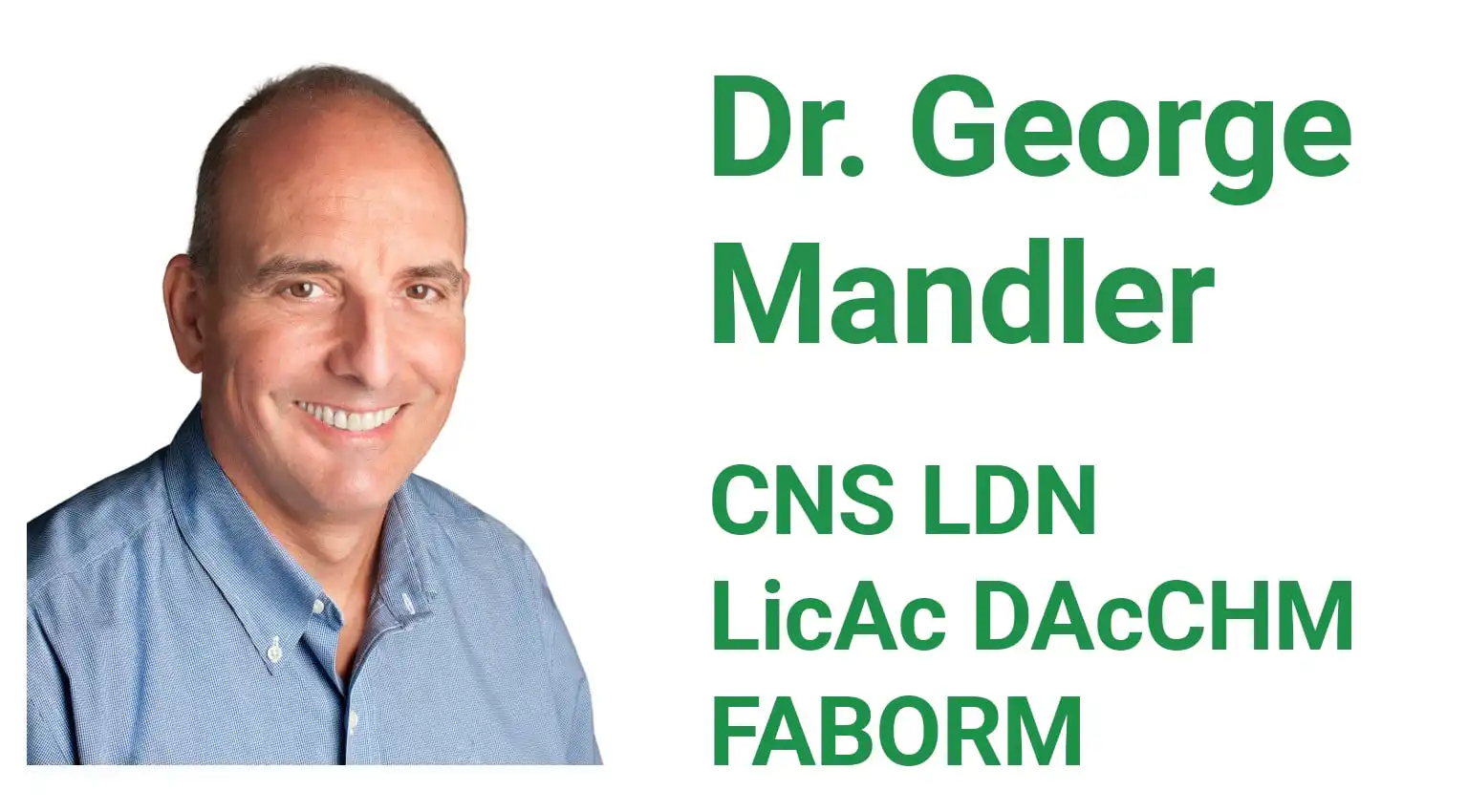
Archive for September, 2008

Splenda Potentially Toxic to Humans

Tuesday, September 30th, 2008

There was an interesting study released this week from Duke University. It seems that sucralose, the artificial sweetener that is listed as GRAS (Generally Recognized as Safe) by the FDA causes serious adverse effects in rats in the 12 week study. The adverse effects were seen in rats given 1.1mg/kg of sucralose, where the FDA acceptable limit in humans is 5mg/kg. Therefore adverse effects were seen in amounts below the FDA acceptable limits. (more…)

Disturbing Side Effects of Splenda Usage

Saturday, September 27th, 2008

J Toxicol Environ Health A. 2008;71(21):1415-29.
Splenda alters gut microflora and increases intestinal p-glycoprotein and cytochrome p-450 in male rats.Abou-Donia MB, El-Masry EM, Abdel-Rahman AA, McLendon RE, Schiffman SS.

Department of Pharmacology, Duke University Medical Center, Durham,
North Carolina 27708, USA. donia@duke.edu

Splenda is comprised of the high-potency artificial sweetener sucralose (1.1%) and the fillers maltodextrin and glucose. Splenda was administered by oral gavage at 100, 300, 500, or 1000 mg/kg to male Sprague-Dawley rats for 12-wk, during which fecal samples were collected weekly for bacterial analysis and measurement of fecal pH. After 12-wk, half of the animals from each treatment group were sacrificed to determine the intestinal expression of the membrane efflux transporter P-glycoprotein (P-gp) and the cytochrome P-450 (CYP) metabolism system by Western blot. The remaining animals were allowed to recover for anadditional 12-wk, and further assessments of fecal microflora, fecal pH,
and expression of P-gp and CYP were determined. At the end of the 12-wktreatment period, the numbers of total anaerobes, bifidobacteria,lactobacilli, Bacteroides, clostridia, and total aerobic bacteria were significantly decreased; however, there was no significant treatment effect on enterobacteria. Splenda also increased fecal pH and enhanced the expression of P-gp by 2.43-fold, CYP3A4 by 2.51-fold, and CYP2D1 by 3.49-fold. Following the 12-wk recovery period, only the total anaerobes
and bifidobacteria remained significantly depressed, whereas pH values, P-gp, and CYP3A4 and CYP2D1 remained elevated. These changes occurred at Splenda dosages that contained sucralose at 1.1-11 mg/kg (the US FDA Acceptable Daily Intake for sucralose is 5 mg/kg). Evidence indicates
that a 12-wk administration of Splenda exerted numerous adverse effects, including (1) reduction in beneficial fecal microflora, (2) increased fecal pH, and (3) enhanced expression levels of P-gp, CYP3A4, and CYP2D1, which are known to limit the bioavailability of orally administered drugs. (more…)

Acupuncture Shown Significantly more Effective for Side Effects of Breast Cancer Treatment than Standard Drug Therapy

Wednesday, September 24th, 2008

Although this study was not a gold standard with a control (i.e. ‘placebo’) arm of the study it is still significant in how well acupuncture did over conventional drug therapy.  In this study there were 47 women who were receiving the standard anti-cancer therapy tamoxifen or anastrozole were split into two groups to determine how best to deal with side effects such as hot flashes and night sweats.  One group received the conventional antidepressent Effexor while the other group received acupuncture one or two times weekly.  The study lasted 12 weeks. (more…)

Acupuncture Significantly more Effective Breast Cancer Treatment Side Effects than Conventional Drug Therapy

Wednesday, September 24th, 2008

Although this study was not a gold standard with a control (i.e. ‘placebo’) arm of the study it is still significant in how well acupuncture did over conventional drug therapy. In this study there were 47 women who were receiving the standard anti-cancer therapy tamoxifen or anastrozole were split into two groups to determine how best to deal with side effects such as hot flashes and night sweats. One group received the conventional antidepressent Effexor while the other group received acupuncture one or two times weekly. The study lasted 12 weeks. (more…)

Probiotics for IBS

Tuesday, September 16th, 2008

Irritable Bowel Syndrome (IBS) seems to be an all too common complaint of so many people.   The three typical ways IBS presents itself is: constipation dominant (IBS-C), diarrhea dominant (IBS-D) or  alternating diarrhea and constipation (IBS).   I’m going to generalize here, but<!–more–>…… I find IBS-D  the easiest to treat because there is often an underlying food hypersensitivity involved – so it is a matter of finding the offending food and removing it. Plus it responds very well to acupuncture.   IBS-C is more challenging, but can often respond well with acupuncture and herbal medicine.  Sometimes IBS-C can be a structural, emotional or fluid issue.    Alternating type of IBS can often be an emotional related issue as stress often plays a big part. But alternating type can also be brought on by the abuse of laxatives and food hypersensitivities.
In my nutrition and acupuncture practice I always recommend some sort of probiotic with IBS.   In almost all cases of IBS the gastrointestinal mileau is out of balance.    Probiotic literally means pro-living – as opposed to anti-biotics which will destroy all organisms in your intestines – good and bad. Giving probiotics as a capsule help promote the growth of beneficial bacteria in the intestines.   Here is <a href="http://www3.interscience.wiley.com/journal/121402869/abstract">another study</a> showing that probiotics have a beneficial effect on intestinal health.  In this particular case IBS sufferers were given particular strains of <em>Lactobacillus acidophilus, Bifidobacterium lactis,and Bifidobacterium bifidum. </em>These are all common probiotics we can find in capsules.  This particular study was funded by a particular maker of a certain probiotic, but I use a product from Pharmax called HLC Intensive that has similar strains and I’ve had good results using.
So bottom line is that if you have IBS you should definitely use probiotics.   But if you don’t have complete remission I highly recommend getting seeing a nutritionist that understand gastrointestinal health and food hypersensitivities.   Acupuncture is also very effective for many gastrointestinal complaints.

In Health,
George Mandler

Licensed Acupuncturist
Licensed Dietitian / Nutritionist
Certified Chinese Herbalist
Cambridge, MA &amp; Maynard, MA

Probiotics and Irritable Bowel

Tuesday, September 16th, 2008

Irritable Bowel Syndrome (IBS) seems to be an all too common complaint of so many people. The three typical ways IBS presents itself is: constipation dominant (IBS-C), diarrhea dominant (IBS-D) or alternating diarrhea and constipation (IBS). I’m going to generalize here, but (more…)